Cold weather outdoor camping offers an unique sense of adventure, but it's challenging to stay comfy. Learning reliable insulation techniques transforms awkward frozen evenings into comfy winter camping experiences.
Ground call is the key method warmth escapes from tents. Combat this by utilizing a protected resting pad with a high R-value. Mylar emergency situation coverings are additionally useful, jumping convected heat back toward sleepers.
1. Reflective Emergency Situation Covering
Knowing how to shield a tent for winter transforms it from an endurance examination right into a comfortable haven. While basic outdoors tents aren't developed to stand up to subzero temperatures, understanding how to properly insulate them enables campers to sleep pleasantly through the evening.
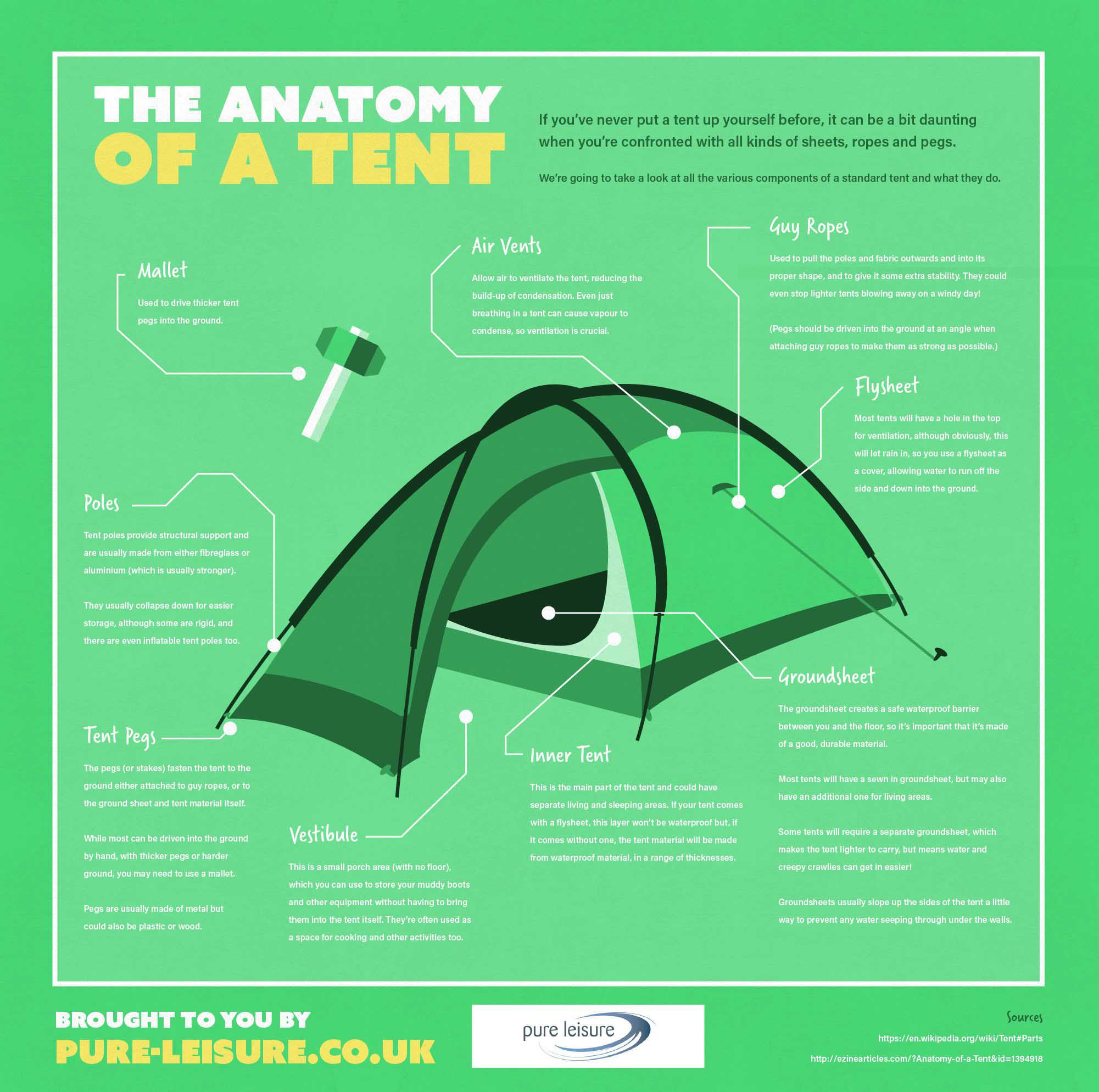
The most significant source of warm loss in an outdoor tents is transmission, which takes place when the chilly ground sucks warmth directly from sleeping campers via straight get in touch with. The option is a robust layering system that begins with a protective footprint or ground sheet. Closed-cell foam pads are light-weight and affordable, offering the perfect base for a tent flooring insulation.
The next layer is a reflective blanket, such as the economical and feather-light Mylar emergency blanket. Place this over the impact, creating an air space in between the flooring and your bed mattress, to reflect your glowing body heat back towards your rest pad. A Mylar emergency covering can likewise serve as a backcountry pillow, making it a must-have for camping in extreme conditions.
2. Tarp
Winter outdoor camping demands real four-season tents designed to take care of winter months components. Nevertheless, these shelters require extra protecting steps to avoid heat loss and maintain occupants comfortable throughout cold evenings and long winter season journeys. Comprehending where warmth leaves from shelters assists campers focus their insulation efforts successfully.
Ground contact and convection are key sources of warmth loss in camping tents. Radiation likewise pulls warmth right into bordering atmospheres.
Tarps help in reducing these losses by developing effective obstacles in between the ground and resting locations. Select tarps with water resistant finishes to secure camping tent floors and gear from dampness that weakens insulation efficiency. Appropriate tarp positioning also obstructs wind from channeling snow or rain into tents.
3. Foam Pads
Cold weather outdoor camping uses the possibility to delight in stunning snow-covered landscapes, crisp air, and a feeling of journey that's unmatched. However, staying warm in a tent throughout freezing temperature levels requires an extensive technique to insulation that focuses on ground obstacles over fancy wall surface therapies.
The cool, hard ground is your most significant adversary in an outdoor tents, relentlessly sucking warmth from the body with conduction. Appropriately shielding your resting location with foam pads can lower this effect, transforming your tent into a comfortable winter season oasis.
Wind is one more major offender, particularly when your rainfly droops to touch the internal camping tent and transfer warm straight into the atmosphere. Purchasing heavy-duty outdoor tents liners and tightening up the fly guylines can make a globe of distinction for winter season campers. Actually, this is the most important action in guaranteeing your tent fits and thermally efficient. Picking an insulated resting pad with an R-value appropriate to your expected temperature levels is also crucial.
4. Internal Carpeting
Creating a strong insulating layer on the floor of your outdoor tents is important for cool camping journeys. The icy ground serves as a warmth vampire, siphoning warmth from your body via conduction. The main support against this is to make use of a tent rug, which develops a thermal barrier between you and the chilly surface area.
Tent carpets can be made from a large range of products, from synthetics like polypropylene to natural fibers like woollen. Generally, you desire a carpet that is both resilient and soft, with a non-slip support and breaks to keep it safely in position. Some carpets even include a water-proof and mold-resistant base, which is a substantial plus for those camping in stormy or snowy conditions.